


Fertility Fundamentals | Man
Fertility Fundamentals | Man
Sperm support
- The nutritional foundation for sperm health: Fundamental Man, CoQ10 200mg and Omega-3
- Three products working together: core micronutrients, mitochondrial energy and essential fatty acids
- The right forms, the right doses, no synthetic fillers
- Sperm take three months to develop: start at least 90 days before you need results
- Subscribe and save 15%: less than £2.20 a day, delivered every month
 30 day money-back guarantee on your first order.

- Founded by a doctor
- Made to GMP standards
- Free UK shipping over £40
Couldn't load pickup availability
What is it?
What is it?
Fertility Fundamentals | Man brings together three products crafted to support sperm health: Fundamental Man, CoQ10 200mg and Fundamental Omega-3. Each product is formulated in the right forms at doses that reflect the research, not multivitamin-level inclusions. On subscribe and save, everything arrives together every month so the foundation is always covered.
Who is it for?
Who is it for?
Just starting to try
The three months before you try to conceive matter more than most people realise. Sperm take approximately 90 days to develop from scratch, which means what you do today determines the quality of what's produced next quarter. Fertility Fundamentals | Man gives you a strong nutritional foundation, in the right forms, at doses that reflect the research, so when it's time to conceive, you're ready.
Preparing for IVF or fertility treatment
Sperm quality matters at every stage of treatment: from fertilisation through to embryo development. DNA fragmentation, motility and morphology can all influence outcomes, even when a standard semen analysis looks normal. Fundamental Man covers the core micronutrient base, CoQ10 supports mitochondrial energy and antioxidant protection, and Omega-3 supports sperm membrane integrity.
Men with known sperm challenges
Whether it's low count, poor motility, morphology concerns or elevated DNA fragmentation, the nutrients in this bundle are chosen specifically for their roles in each aspect of sperm health. Start at least three months before you need results: that's one full sperm production cycle.
Men over 35
Sperm quality declines with age, and both CoQ10 production and antioxidant capacity fall from the mid-thirties. This bundle addresses the key drivers: mitochondrial energy in the sperm midpiece, oxidative protection for sperm DNA, and core micronutrient support for sperm production and development.
How should I take it?
How should I take it?
Fundamental Man
One capsule a day, with food.
CoQ10 200mg
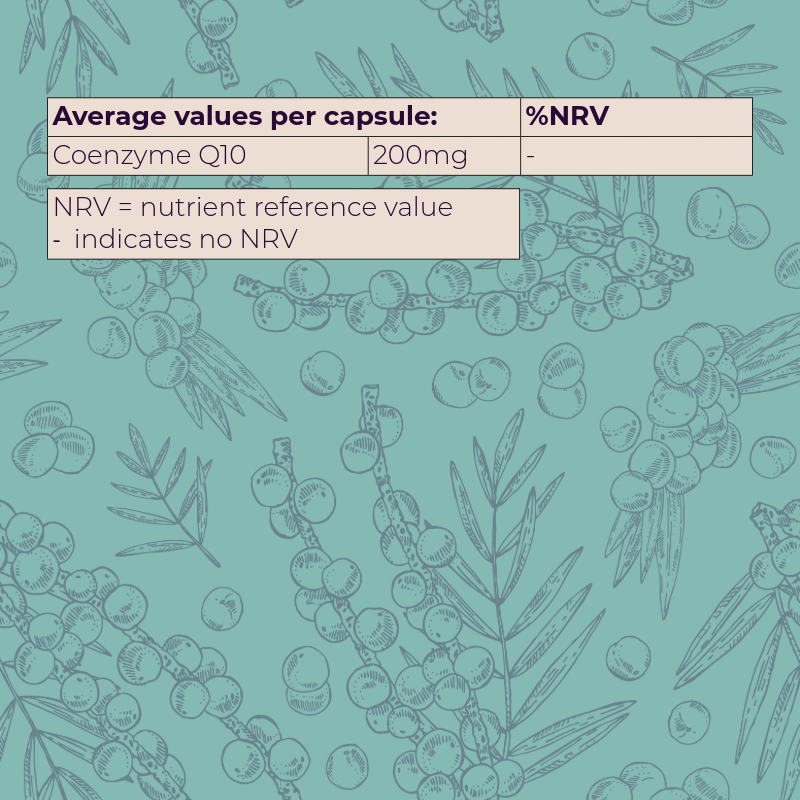
One 200mg capsule twice daily, with food. CoQ10 is fat-soluble and absorbs best when taken with a meal containing some fat.
Fundamental Omega-3
Two capsules a day, with food.
Start at least three months before you want to see results: that's one full sperm production cycle. Sperm developing today are the ones that will matter in 90 days.
What's inside?
What's inside?
Fundamental Man: nutritional foundation for sperm health
19 nutrients targeting every aspect of sperm health: production, DNA integrity, motility and oxidative protection. Zinc bisglycinate for normal spermatogenesis. Methylfolate (5-MTHF) for DNA synthesis. Vitamin C, Vitamin E and selenium for antioxidant protection. No magnesium stearate, silicon dioxide or synthetic fillers.
View full ingredient list →
CoQ10 200mg: mitochondrial energy and antioxidant support
400mg per day of naturally-fermented ubiquinone: the form most studied in fertility research, and the dose referenced in research on sperm motility and DNA fragmentation. CoQ10 powers the mitochondria in the sperm midpiece that drive motility, and acts as a lipid-soluble antioxidant protecting sperm DNA from oxidative damage.
View full ingredient list →
Fundamental Omega-3: high-strength EPA and DHA
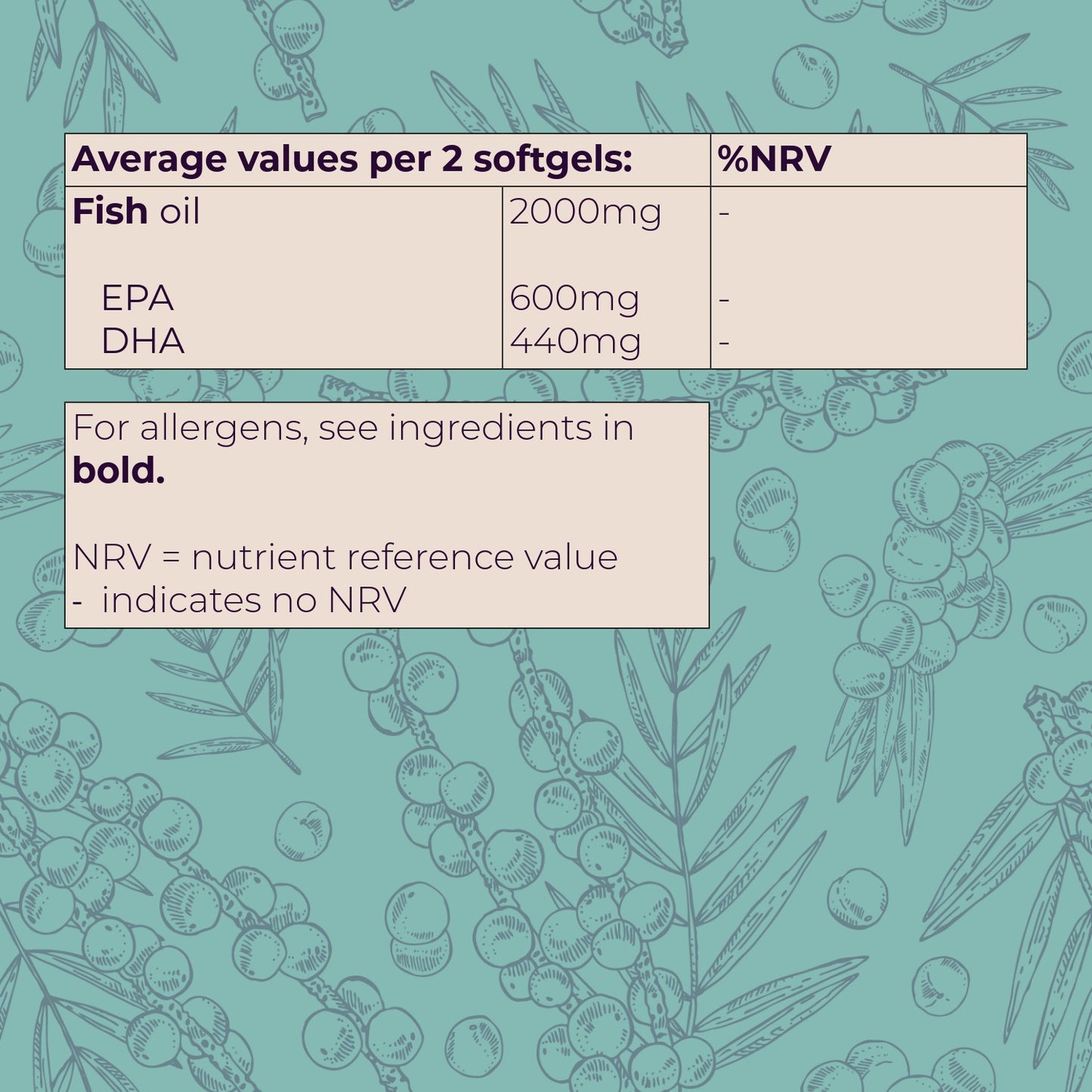
660mg EPA and 440mg DHA per serving, sourced from anchovies: small fish, low on the food chain, with lower heavy metal accumulation than larger species. Omega-3 supports sperm membrane fluidity and is associated with sperm motility and morphology. Often overlooked in male fertility supplementation.
View full ingredient list →
How is it different?
How is it different?
The right forms, not just the right ingredients
Methylfolate not folic acid. Zinc bisglycinate not zinc oxide. Naturally-fermented ubiquinone, not synthetic CoQ10. Form determines how much your body can actually use.
Doses that reflect the research
400mg CoQ10 daily is the dose referenced in research on sperm motility and DNA fragmentation. 660mg EPA and 440mg DHA is a meaningful omega-3 dose, not a token amount. These are not multivitamin-level inclusions.
No synthetic fillers, binders or additives
Across all three products. Nothing that's there for manufacturing convenience rather than your health.
Built to work together
Fundamental Man is the foundation. CoQ10 adds mitochondrial energy and antioxidant protection at the sperm cell level. Omega-3 supports sperm membrane fluidity and motility. No gaps, no doubling up.
Founded by a doctor who went through IVF
Fertility Hero was built by a doctor who went through six rounds of IVF. Every product in this bundle exists because finding the right things, in the right forms, at the right doses, was harder than it should have been.


Allergen information
This product contains fish.
It is free from the remaining 13 major allergens as defined by UK food supplement labelling regulations, including gluten and soya.
Who is it for?

"One of the saddest things I hear is when a couple has been trying for months, assuming the issue lies with egg quality, when sperm is a contributing factor in around half of all fertility cases.
Sperm are produced continuously and are remarkably sensitive to nutritional deficiencies, lifestyle, and environment, which means there is a real opportunity to make a meaningful difference in just three months."
-
The right forms, not just the right ingredients Methylfolate not folic acid. Zinc bisglycinate not zinc oxide. Naturally-fermented ubiquinone, not synthetic CoQ10. Form determines how much your body can actually use.
-
Doses that reflect the research> 400mg CoQ10 daily is in keeping with the doses referenced in research on sperm motility and DNA fragmentation. 660mg EPA and 440mg DHA is a meaningful omega-3 dose, not a token amount. These are not multivitamin-level inclusions.
-
No synthetic fillers, binders or additives Across all three products. Nothing that's there for manufacturing convenience rather than your health.
-
Built to work together Fundamental Man is the foundation. CoQ10 adds mitochondrial energy and antioxidant protection at the sperm cell level. Omega-3 supports sperm membrane fluidity and motility. No gaps, no doubling up.
-
Subscribe and save Get all this with free delivery, delivered every 30 days, bases covered all for less than £2.50 a day.
Every ingredient, and why we include it
The Fertility Fundamentals Man bundle brings together 22 active nutrients and compounds across three products, each chosen for a specific role in sperm health. Explore the benefits below.
Zinc contributes to normal fertility and reproduction, and is directly involved in the process of sperm production. We use the bisglycinate form, which absorbs significantly better than the cheaper zinc oxide found in most supplements.
Zinc is required for over 300 enzymatic reactions and plays a central role in sperm production. The testes contain one of the highest concentrations of zinc in the body. Zinc bisglycinate has been shown in comparative studies to have superior bioavailability versus zinc oxide and zinc sulphate. Adequate zinc status is associated with normal sperm parameters in clinical studies.
Selenium contributes to normal spermatogenesis, the process by which sperm are formed in the testes. It is also one of the key antioxidant minerals, protecting sperm from the oxidative damage that can affect both count and quality.
Selenium is a component of selenoproteins including phospholipid hydroperoxide glutathione peroxidase (PHGPx), which is specifically expressed in the testes and is essential for normal sperm development. Studies have shown that selenium deficiency in men is associated with reduced sperm count and morphology abnormalities. The EU authorises the claim that selenium contributes to normal spermatogenesis.
Folate is essential for DNA synthesis and cell division, both of which are central to the continuous production of new sperm. We use the active form, 5-MTHF, which works even if your body struggles to convert standard folic acid, a limitation that affects up to 40% of people.
Spermatogenesis involves rapid cell division and requires adequate folate for DNA synthesis at every stage. Most supplements use folic acid, a synthetic form that must be converted to 5-MTHF before use. Up to 40% of people carry a variant of the MTHFR gene that impairs this conversion. A 2017 meta-analysis in the European Journal of Clinical Nutrition found that 5-MTHF raises blood folate levels more effectively than folic acid regardless of MTHFR status. Low folate in men has been associated with increased sperm DNA fragmentation.
Vitamin D receptors are found in testicular cells, and adequate vitamin D is associated with normal reproductive function. Most men in the UK have insufficient levels, particularly in winter months, and it is one of the few nutrients where supplementation is recommended for the general population.
Vitamin D receptors and vitamin D metabolising enzymes are present in Sertoli cells and Leydig cells in the testes. Observational studies have found associations between vitamin D status and sperm motility and morphology parameters. Vitamin D deficiency is widespread in the UK population, particularly in winter, and is one of the few nutrients where supplementation is recommended across the general population by UK health authorities.
Iodine is essential for thyroid hormone production. Thyroid hormones regulate testosterone production and overall hormonal balance, both of which affect sperm production and quality.
Thyroid hormones have receptors in testicular tissue and influence spermatogenesis through their effects on Sertoli cell function. Both hypothyroidism and hyperthyroidism are associated with impaired sperm parameters including reduced count and motility. Iodine is the essential precursor to thyroid hormones T3 and T4, and inadequate intake is the primary cause of thyroid dysfunction globally.
B12 is required for DNA synthesis and the rapid cell division that generates new sperm. We use methylcobalamin, the active form your body uses directly, rather than cyanocobalamin which requires conversion first.
B12 is essential for DNA synthesis and methylation, both of which are critical during spermatogenesis. Clinical studies have shown that B12 supplementation in men with low sperm counts improved total sperm count and motility. Methylcobalamin is the neurologically active coenzyme form that participates directly in cellular processes, unlike cyanocobalamin which must first be converted in the body.
† No Nutrient Reference Value (NRV) has been established.
Folate is central to DNA repair and methylation. Low folate is associated with higher levels of DNA fragmentation in sperm, which can affect fertilisation and embryo development even when sperm count looks normal on a standard semen analysis.
Folate is required for the synthesis of purines and pyrimidines, the building blocks of DNA, and for maintaining normal DNA methylation patterns. A study published in Human Reproduction found that men with higher folate intake had significantly lower levels of sperm DNA damage. Sperm DNA integrity is considered relevant to fertilisation and early embryo development.
Zinc plays a direct structural role in protecting the DNA inside sperm. It forms complexes with the proteins that package sperm DNA tightly, helping to shield it from damage during the journey to the egg.
Zinc forms zinc-thiol complexes with protamines, the proteins that compact and stabilise sperm DNA after completion of spermatogenesis. This chromatin structure protects DNA from oxidative attack during epididymal transit. Studies have shown that men with lower seminal zinc concentrations have significantly higher levels of sperm DNA fragmentation.
Selenium is incorporated into antioxidant enzymes specifically expressed in the testes. These enzymes neutralise the reactive molecules that would otherwise cause breaks in sperm DNA, which matter for what the embryo inherits.
Phospholipid hydroperoxide glutathione peroxidase (PHGPx) is a selenium-dependent enzyme that is uniquely expressed in high levels in spermatogenic cells. It protects sperm from lipid peroxidation and DNA strand breaks caused by reactive oxygen species. PHGPx is later incorporated into the structural midpiece of the mature sperm, where it continues to function during transit and fertilisation.
B12 is a key methyl donor, involved in regulating how sperm DNA is read and expressed. This epigenetic information is passed on at fertilisation and can influence embryo development and long-term child health.
Methylcobalamin participates in the methylation cycle alongside folate, donating methyl groups needed for DNA methylation. Abnormal DNA methylation patterns in sperm have been associated with adverse reproductive outcomes in observational studies. Adequate B12 status supports the methylation processes central to normal DNA packaging and expression in sperm.
Choline is a methyl donor that works alongside folate and B12. Together they control how sperm DNA is packaged and expressed, which matters not just for fertilisation but for what the embryo inherits from the father.
Choline provides methyl groups via betaine in the methionine cycle, supporting the same DNA methylation pathways as folate and B12. Research has shown that choline is present in high concentrations in seminal plasma and plays a role in maintaining sperm membrane integrity. Adequate choline intake supports the epigenetic quality of sperm, which influences embryo development after fertilisation.
† No Nutrient Reference Value (NRV) has been established.
Sperm rely almost entirely on their mitochondria to generate the ATP that powers the tail movements needed to swim towards the egg. CoQ10 is the essential electron carrier in this process. Without adequate CoQ10 in the sperm midpiece, energy production becomes less efficient and motility suffers.
CoQ10 is the mobile electron carrier in the mitochondrial electron transport chain, responsible for shuttling electrons between Complexes I/II and Complex III. In sperm, the midpiece is densely packed with mitochondria to meet the high ATP demand of flagellar movement. CoQ10 levels in seminal plasma are positively correlated with sperm motility parameters in multiple clinical studies. Supplementation trials have shown improvements in progressive motility at doses within the range used in this bundle.
DHA is a key structural component of the sperm cell membrane and is found in particularly high concentrations in the sperm tail, which drives motility. Adequate DHA status is associated with improved sperm motility and normal morphology. Men with poor sperm parameters consistently show lower omega-3 status compared to men with normal results.
DHA comprises a substantial proportion of the fatty acid content of the sperm flagellar membrane. Its presence is essential for maintaining membrane fluidity and the elastic properties required for the whip-like motion of the sperm tail. DHA is also the dominant omega-3 in the sperm head, where it contributes to the membrane remodelling involved in the acrosome reaction at fertilisation. Case-control studies consistently show lower DHA levels in men with asthenozoospermia (poor motility) compared to fertile controls.
Selenium is structurally incorporated into the midpiece of the sperm tail, where it supports the mechanical function that drives forward movement. Low selenium is one of the more consistent findings in men with poor sperm motility.
Selenium is incorporated as selenocysteine into the capsule-selenoprotein of the sperm midpiece, a structural component that surrounds the axoneme (the central filament driving sperm movement). This structural role is distinct from selenium's antioxidant function. Studies have consistently shown associations between seminal selenium levels and sperm motility, and randomised trials of selenium supplementation have shown improvements in motility parameters.
B12 supplementation has been shown in clinical studies to improve sperm motility, including forward progression speed. The effect is thought to relate to its role in energy metabolism and cell membrane function.
B12 is involved in the synthesis of phospholipids in the sperm membrane, which influences membrane fluidity and the mechanical capacity for movement. The relationship between B12 status and sperm motility parameters has been examined in clinical studies, with adequate B12 considered relevant to normal sperm function. Methylcobalamin is the active coenzyme form that participates directly in cellular processes.
Zinc is required for normal sperm motility. It helps regulate the biochemical processes that drive the tail movement needed for sperm to swim actively towards the egg.
Seminal plasma zinc concentrations are significantly higher than in blood, reflecting the importance of zinc to sperm function. Zinc is involved in regulating cAMP-dependent signalling pathways that control sperm motility. Meta-analyses of zinc supplementation trials in infertile men consistently show improvements in total motility and progressive motility.
Sperm membranes are unusually rich in polyunsaturated fats, making them vulnerable to oxidative damage. Vitamin E protects these membranes from the damage that stiffens them and reduces the sperm's ability to swim and penetrate the egg.
Sperm plasma membranes contain high levels of docosahexaenoic acid (DHA) and other polyunsaturated fatty acids, which are critical for the membrane fluidity needed for sperm motility and the acrosome reaction at fertilisation. Vitamin E (as D-alpha tocopherol) prevents lipid peroxidation of these fatty acids. Randomised controlled trials of vitamin E supplementation in infertile men have shown improvements in motility and fertilisation rates.
Sperm are among the most metabolically active cells in the body. Niacin is a precursor to NAD+, the coenzyme at the centre of energy production in the sperm midpiece where the fuel for swimming is generated.
Sperm generate the ATP needed for flagellar movement through both glycolysis and oxidative phosphorylation in the mitochondria-rich midpiece. NAD+ is an essential coenzyme for both pathways. Niacin is the dietary precursor from which NAD+ is synthesised. Adequate NAD+ availability is therefore directly relevant to the metabolic capacity that underpins sperm motility.
B6 plays a role in testosterone metabolism and helps regulate the hormonal environment that determines sperm production and function. We use pyridoxal-5-phosphate, the active coenzyme form that requires no conversion.
Vitamin B6 is a cofactor for enzymes involved in steroid hormone metabolism, including the degradation of excess oestrogen. Maintaining an optimal testosterone-to-oestrogen ratio is important for spermatogenesis and sperm motility. B6 also supports homocysteine metabolism alongside folate and B12, with elevated homocysteine being associated with reduced sperm quality.
† No Nutrient Reference Value (NRV) has been established.
CoQ10 plays a dual role: it drives energy production and acts as a potent antioxidant. Sperm cell membranes are unusually rich in polyunsaturated fatty acids, making them highly vulnerable to oxidative damage. CoQ10 neutralises free radicals directly within the mitochondria and in the cell membrane, protecting the integrity of both the sperm's structure and its DNA.
In its reduced form (ubiquinol), CoQ10 donates electrons to neutralise free radicals in both the hydrophobic core of cell membranes and within the mitochondrial matrix. This lipid-soluble antioxidant function is particularly relevant in sperm cells, which generate high levels of reactive oxygen species as a byproduct of mitochondrial activity. Elevated seminal reactive oxygen species are directly associated with increased sperm DNA fragmentation and reduced fertilisation potential.
EPA is the body's primary anti-inflammatory omega-3, acting as a precursor to the signalling molecules that regulate the body's inflammatory response. Chronic low-grade inflammation in the reproductive environment is associated with impaired sperm development, reduced motility and increased DNA fragmentation. Adequate EPA status supports the cellular environment in which sperm mature over their 74-day development cycle.
EPA is converted to eicosanoids including prostaglandins and leukotrienes of the 3-series, which have anti-inflammatory properties compared to the pro-inflammatory 2-series derived from arachidonic acid. The testes and epididymis are sites of active immune regulation: inflammation in these tissues is associated with oxidative stress and impaired spermatogenesis. EPA's role in moderating the inflammatory tone of the reproductive environment is relevant to sperm quality across the full development cycle.
Vitamin C is the most abundant antioxidant in seminal fluid, present at concentrations far higher than in blood. It protects sperm from the oxidative damage that reduces count, quality, and DNA integrity.
Seminal vitamin C concentrations are typically 8 to 10 times higher than in blood plasma, reflecting its recognised role in protecting sperm from reactive oxygen species. Vitamin C's antioxidant function in seminal fluid is well-documented in reproductive research. It also regenerates vitamin E after it has neutralised a free radical, creating a synergistic antioxidant system in which both nutrients work more effectively together than either does alone.
Vitamin E sits inside sperm cell membranes where it intercepts free radicals before they can damage the fatty acids that keep membranes healthy. It works in partnership with vitamin C, which recharges it once it has done its job.
Sperm membranes are highly enriched in polyunsaturated fatty acids and are therefore particularly vulnerable to lipid peroxidation. Vitamin E (as D-alpha tocopherol succinate) is incorporated into the phospholipid bilayer where it acts as a chain-breaking antioxidant, interrupting the propagation of oxidative damage. The vitamin E and vitamin C antioxidant couple is one of the most studied in male fertility research, with multiple randomised trials showing improvements in sperm parameters when both are supplemented together.
Selenium is a core component of the glutathione peroxidase enzymes that neutralise the reactive molecules most harmful to sperm. Without adequate selenium, these protective enzymes cannot function properly.
Glutathione peroxidase (GPx) enzymes require selenium as the catalytic component of their active site. GPx enzymes are the body's primary defence against lipid hydroperoxides and hydrogen peroxide, both of which cause significant damage to sperm DNA and membranes. Seminal GPx activity correlates strongly with sperm motility and morphology in clinical studies.
Beta carotene is a carotenoid antioxidant that also provides vitamin A activity, contributing to the defences that protect developing sperm. Vitamin A is essential for spermatogenesis, and beta carotene provides it without the toxicity risk of high-dose preformed retinol.
Carotenoids including beta carotene quench singlet oxygen, a particularly reactive species that causes oxidative damage to sperm. Beta carotene is converted to retinol on demand; the body self-regulates this conversion, making excess intake safe. Retinol itself is required for spermatogenesis, as vitamin A deficiency causes a complete arrest of sperm production. Providing beta carotene rather than preformed retinol ensures adequate vitamin A activity without the risk of toxicity at supplemental doses.
Zinc contributes to the antioxidant enzyme system and helps prevent the kinds of oxidative reactions that cause DNA damage within sperm. Adequate zinc throughout sperm development helps keep fragmentation low.
Zinc is a cofactor for copper/zinc superoxide dismutase (Cu/Zn-SOD), one of the primary antioxidant enzymes. Zinc also competes with redox-active metals like iron and copper for binding sites on proteins, preventing them from catalysing the Fenton reaction that generates hydroxyl radicals. Seminal zinc concentrations are inversely correlated with sperm DNA fragmentation in clinical studies.
† No Nutrient Reference Value (NRV) has been established.
Riboflavin is required to convert B6 and folate into their active forms. Without adequate B2, the other B vitamins in this formula cannot do their jobs properly.
Riboflavin is a precursor to FAD (flavin adenine dinucleotide) and FMN (flavin mononucleotide), coenzymes required for the conversion of vitamin B6 to its active form pyridoxal-5-phosphate, and for the recycling of folate within the methylation cycle. Riboflavin is therefore a prerequisite for the full activity of the B vitamin complex in this formula.
Thiamin is a cofactor in carbohydrate metabolism and energy production, supporting the high metabolic demands of rapidly dividing cells during sperm production.
Thiamin is a cofactor for pyruvate dehydrogenase and alpha-ketoglutarate dehydrogenase, enzymes central to the citric acid cycle and ATP production. The rapid cell division of spermatogenesis places high metabolic demands on testicular tissue. Adequate thiamin supports the energy supply needed to sustain this process.
Pantothenic acid is a component of coenzyme A, which is central to energy metabolism and required for the synthesis of steroid hormones including testosterone.
Coenzyme A (CoA) is required for over 100 metabolic reactions including the citric acid cycle, fatty acid synthesis, and steroid hormone biosynthesis. Testosterone is synthesised from cholesterol via a CoA-dependent pathway in Leydig cells of the testes. Pantothenic acid is the obligate precursor to CoA and is therefore involved in the hormonal regulation of spermatogenesis.
K2 works alongside vitamin D3, directing calcium to bones and away from soft tissue. Supplementing D3 without K2 may limit how effectively vitamin D3 works.
D3 increases calcium absorption; K2 (as MK-7) activates osteocalcin and matrix Gla-protein, directing calcium to bone and preventing arterial calcification. Supplementing D3 without K2 may allow calcium to deposit in soft tissue. MK-7 has a longer half-life than MK-4, maintaining active levels with a single daily dose.
Manganese is a cofactor for the primary antioxidant enzyme inside mitochondria. The sperm midpiece is incredibly mitochondria-rich because sperm rely on the energy generated there to power movement.
Manganese superoxide dismutase (MnSOD) is localised in the mitochondrial matrix and neutralises superoxide radicals produced during oxidative phosphorylation. Given that sperm rely heavily on mitochondrial energy production in the midpiece, MnSOD activity is particularly relevant to sperm function and motility.
Zinc and copper compete for absorption, so supplementing zinc without copper can deplete copper over time. This small inclusion keeps the balance right and prevents an unintended deficiency.
Zinc and copper share a common transporter (metallothionein) in the gut, meaning high zinc intake can reduce copper absorption. Copper is a cofactor for Cu/Zn-superoxide dismutase and is required for normal iron metabolism. Including 1mg copper alongside zinc maintains physiological balance and prevents the subclinical copper depletion that can occur with long-term zinc supplementation alone.
Chromium supports healthy insulin sensitivity and blood glucose regulation. Stable blood sugar is associated with lower levels of oxidative stress and inflammation that can affect sperm quality.
Chromium potentiates insulin action by enhancing its binding to receptors. Stable blood sugar is associated with lower levels of oxidative stress and inflammation that can cause poor sperm quality. Chromium picolinate has the strongest evidence for bioavailability among chromium compounds.
† No Nutrient Reference Value (NRV) has been established.
Our CoQ10 is produced through natural fermentation rather than chemical synthesis from petrochemical precursors. The natural fermentation process yields pure ubiquinone in the all-trans isomer, the same structural form found in human tissue, and results in a cleaner product with fewer process-related impurities.
CoQ10 produced by chemical synthesis contains a mixture of cis and trans isomers. Only the all-trans form is biologically active and identical to the CoQ10 found naturally in human tissue. Fermentation-derived CoQ10 yields exclusively the all-trans isomer, which is also the form used in the majority of clinical trials. Natural fermentation also avoids the petrochemical starting materials used in chemical synthesis, resulting in a purer final product.
† No Nutrient Reference Value (NRV) has been established.